
Nuclear Batteries in Phones: 50-Year Battery Life?
Imagine buying a smartphone that never needs charging. No power bank. No charger cable. No battery anxiety.
Sounds impossible? Maybe not for long.
A new wave of nuclear batteries—tiny cells powered by radioactive isotopes—promises 50 years of uninterrupted power. Several tech companies and research labs are pushing this futuristic technology toward real-world gadgets, including smartphones.

What Is a Nuclear Battery?
A nuclear battery (also called a betavoltaic battery) converts energy from radioactive decay into electricity.
Don’t worry—this isn’t a mini nuclear reactor like in power plants.
How it works:
- A tiny amount of safe radioactive material releases particles.
- These particles hit a semiconductor.
- Electricity is generated continuously for decades.
No charging. No degradation. Just constant power.
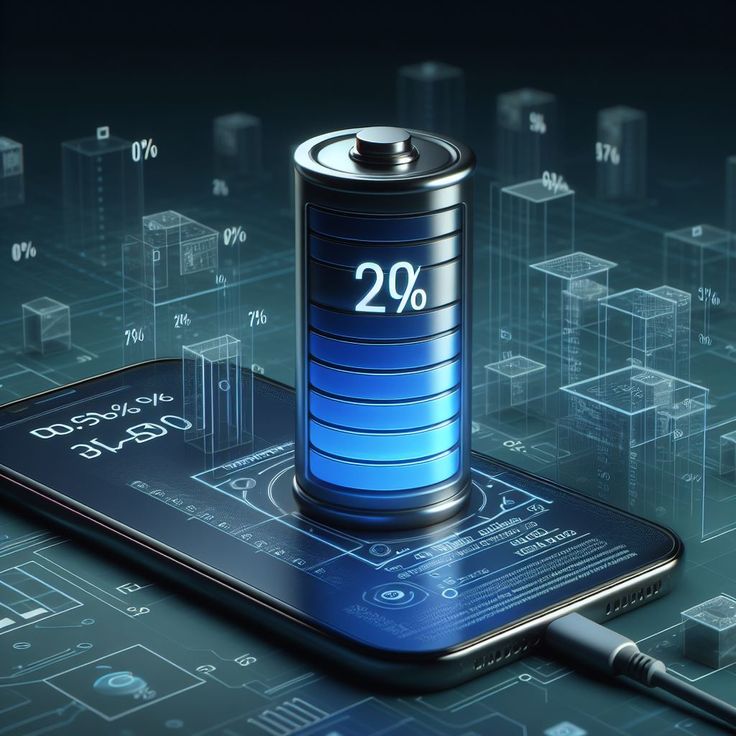
🧬 Is It Safe?
Surprisingly, yes—at least according to early research.
Modern nuclear micro-cells use:
- Non-hazardous isotopes
- Protective layers thicker than phone casing
- No heat, no explosions, no meltdown risk
They’re safer than lithium-ion batteries, which do catch fire.
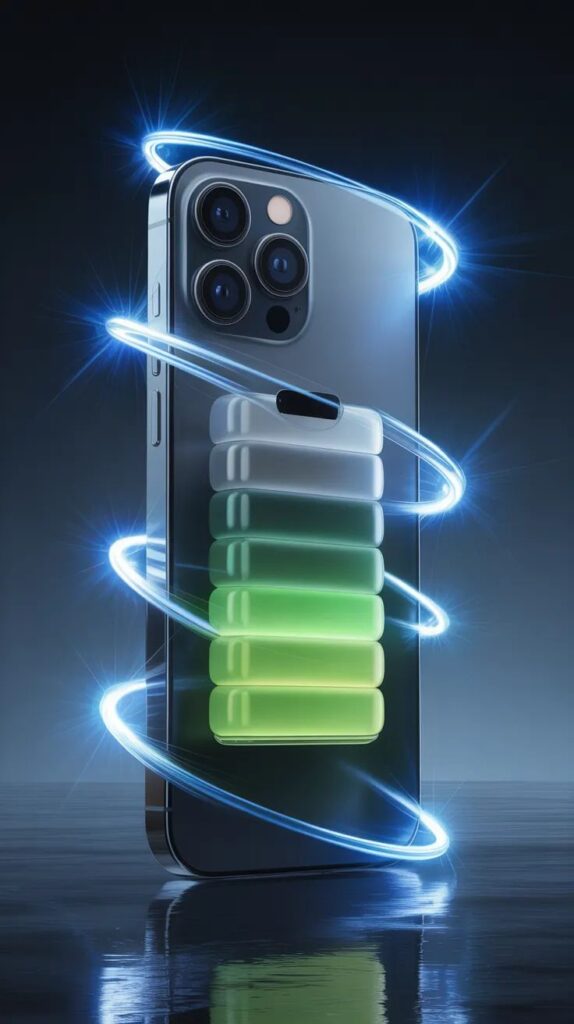
📱 Why Put Nuclear Batteries in Phones?
🔥 Benefits:
- 50-year battery life
- No chargers or charging ports needed
- No heat generation
- Works in extreme temperatures
- No swelling or battery degradation
Imagine:
- Phones without charging ports
- Ultra-slim designs
- Wearables with unlimited battery
- Laptops lasting decades
This could be the biggest smartphone revolution since touchscreens.
When Could We See Nuclear-Powered Phones?
Experts estimate:
- 2028–2035 for small wearables
- 2035–2040 for smartphones (if tech improves)