Meta Plans to Shift Spending Away From the Metaverse: What It Means for the Future
What’s Happening
- Meta is reportedly cutting up to 30% of its budget for its metaverse initiatives for 2026.
- The reductions will affect projects under its division Reality Labs — including virtual‑reality headsets (like its Quest line) and virtual world platforms (like Horizon Worlds).
- The move comes after years of heavy investment: Reality Labs has reportedly lost tens of billions of dollars since 2020.

Why Meta Is Making the Shift
- Financial losses: The metaverse bet hasn’t delivered sufficient returns, despite large investments.
- Lack of mass adoption: VR, virtual worlds, and many metaverse products remain niche — not yet widely embraced by consumers.
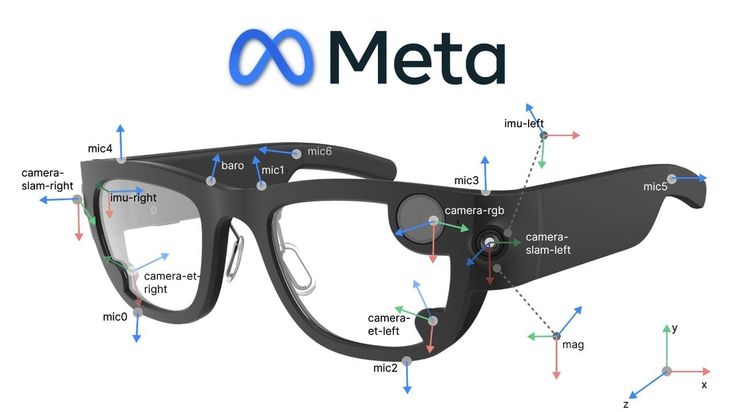
- New company focus: AI and wearables — Meta is redirecting resources toward artificial intelligence, smart glasses, and other hardware/software with more immediate potential.
- Investor pressure & market reality — Investors likely welcomed the pullback; after the news, Meta’s shares rose by around 3 – 4 %.

What This Means: For Meta, Users, and the Tech Industry
For Meta
- The company is recalibrating: moving from a “metaverse‑first” vision to more pragmatic, profit‑oriented technology (AI, wearables, core apps).
- Some layoffs may happen in Reality Labs — possibly as soon as January 2026.
- Meta may divert funds into AI infrastructure, smart glasses, and other hardware instead of virtual‑reality worlds.
For Users & Consumers
- Fewer new features or updates may come for VR platforms like Horizon Worlds or Quest headsets.
- Development of AR/VR may slow — especially for virtual-world social platforms or ambitious VR projects.
- But in exchange, users might see faster progress in AI‑driven services, smarter hardware (like glasses/smart wearables), and improvements in Meta’s core apps (Facebook, Instagram, WhatsApp).
For the Tech Industry
- Meta’s pivot could signal a broader industry shift: VR/metaverse hype may cool, while AI + practical devices become the mainstream focus.
- Other companies investing in metaverse/VR may reevaluate — potentially slowing the “virtual worlds race.”
- Startups building on the metaverse concept might face headwinds — but opportunities remain in AI, AR wearables, and hybrid reality devices.